Industry Insights
Custom Mold Development for Plastic Bottles: From Drawing to Sample
How custom mold development works for plastic bottle projects, from the initial drawing and material choice to the first sample and production order.
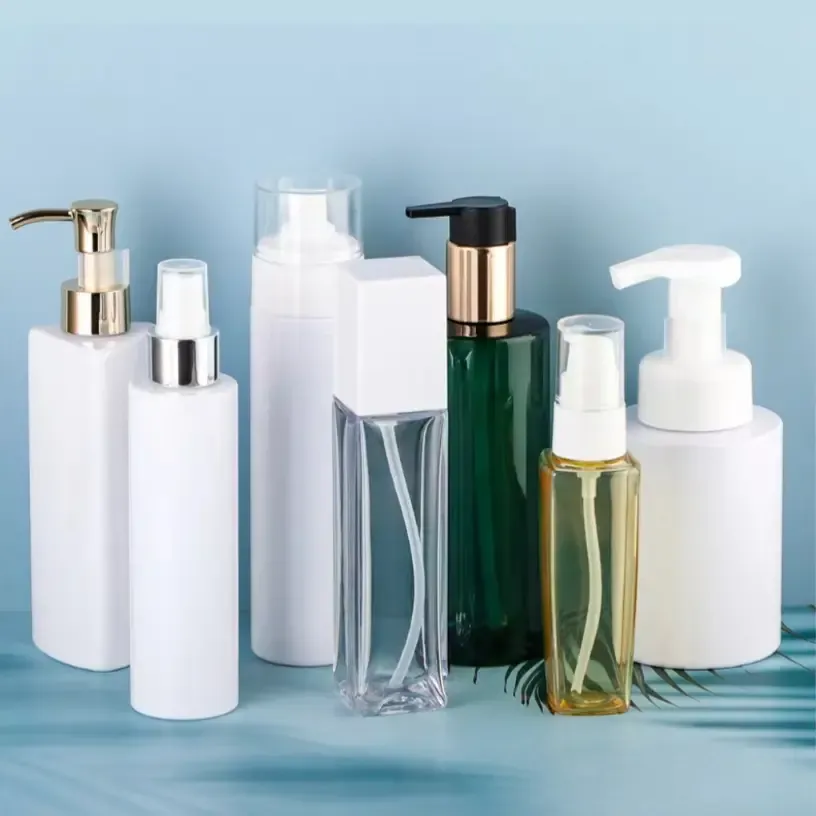
Custom mold development lets a packaging buyer create a bottle shape that is not available in a standard catalog. BOTUO lists custom mold development as a core capability, alongside silk-screen printing, labeling and export packaging. This guide explains the decisions that should be settled before a drawing becomes a sample, and what to check before a production order.
When custom mold development makes sense
A custom mold is usually considered when the standard bottle does not fit the product, the filling line or the brand. It may be a new overall shape, a different neck, a modified base or a handle position. Start with the smallest change that solves the problem; a full new shape is not always necessary.
The project should have a clear commercial reason: a product that needs a specific dispensing action, a bottle that must fit an existing cap, or a package that needs a distinctive shelf presence. If a standard bottle already meets the brief, a custom mold may add cost and time without adding value.
Write the bottle brief
Prepare the bottle volume, application, material preference, closure type and artwork. A clear brief helps the supplier confirm the bottle structure and the sample route before tooling. If the bottle must fit an existing cap or filling line, include those dimensions and constraints in the brief.
Also note the target market, label size, decoration method and export packing requirements. These details affect the wall section, the neck finish and the way the bottle is protected during shipping. A brief with too many open questions usually leads to a slower sample stage.
Choose the material and structure
HDPE, PET, PCR, PP and other materials are available on selected BOTUO product lines. The material choice affects appearance, stiffness and the way the bottle behaves on the filling line. The neck, wall thickness, base and handle are part of the same structural decision.
A custom bottle does not have to be a completely new shape. A new neck, a different wall section or a modified base can be enough to fit a product or a filling line. Discuss the smallest change that solves the problem before committing to a new mold, and confirm which parts of the drawing are fixed and which can move.
From drawing to sample
The sample stage is the point to check the bottle shape, neck fit, decoration and packaging requirements. Confirm the sample version in writing before moving to a production order. If the sample needs a change, mark the change on the drawing and keep a record of the approved version.
A sample should be tested with the intended cap, pump or trigger and, where possible, with the actual product. Check the fill, the closure, the label area and the way the bottle sits in the export carton. A sample that only looks correct on a shelf is not enough for a production decision.
Plan decoration and packing
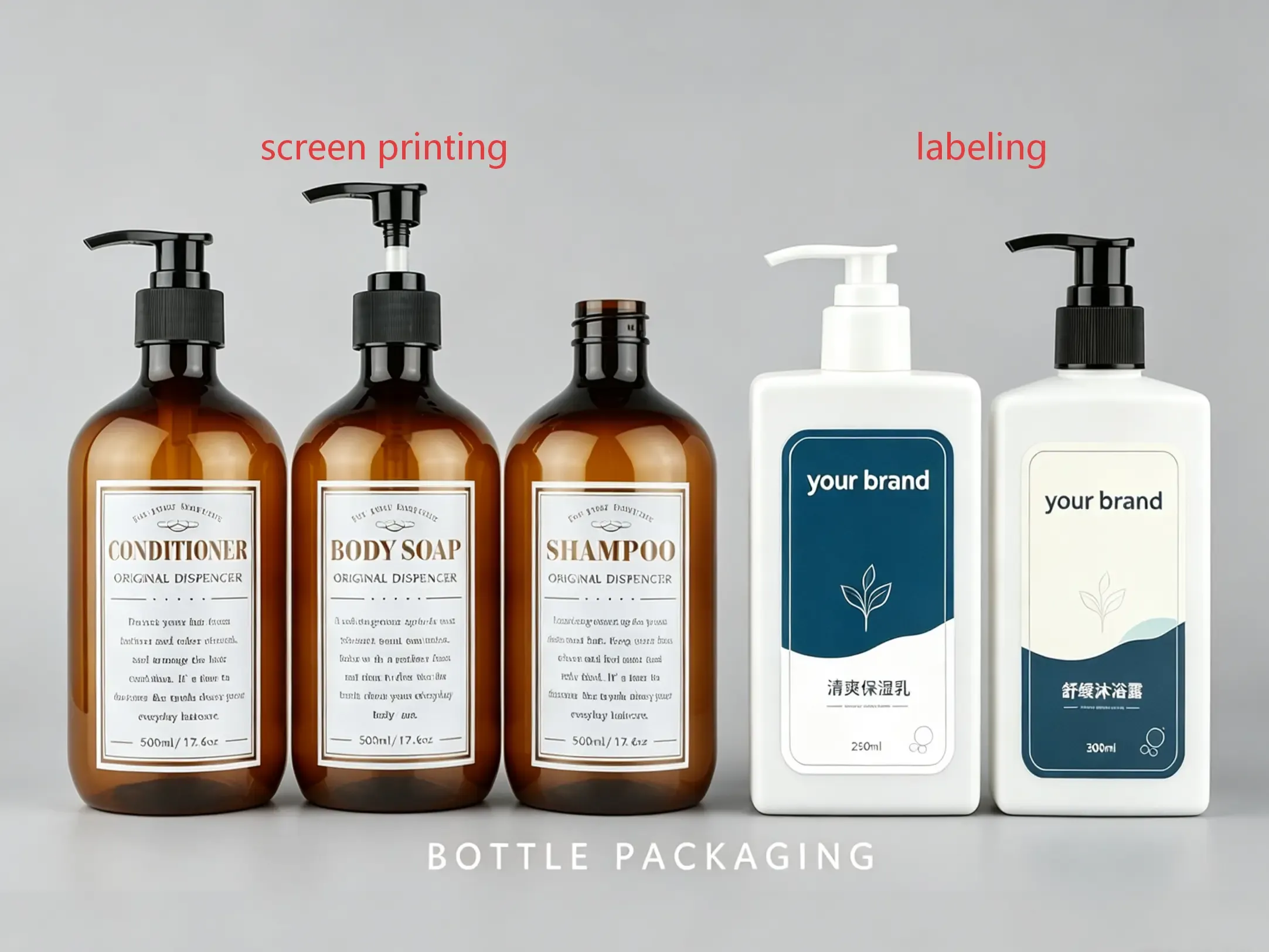
Silk-screen printing and labeling can be applied to selected bottles. Decide the artwork, color and placement before the sample is made, because the decoration method can affect the sample and the production schedule. Export packing should also be planned before the order is confirmed.
BOTUO lists a delivery time of 7-28 days depending on the product and order details. Share the target launch date early so the sample, decoration and production steps can be planned around it. If the project has a fixed retail window, work backward from that date and leave time for sample approval.
What to send for a quote
Send a drawing or reference image, the target volume, material, closure, decoration and order quantity. If a sample exists, send it or its dimensions. Free samples are available for evaluation, and the team responds within 24 hours. The more complete the brief, the faster the supplier can confirm the bottle structure and the sample route.
Custom mold development is a sequence of confirmed decisions, not a single request. Approve the drawing, the material, the sample and the decoration in writing, and keep each approved version as the reference for the next step.